Scan a work order to load the cutter program
Every job used to mean keying cut positions into the paper guillotine by hand. Now each work order prints a code, and one scan loads the whole cut program.

Results
The problem
A typo at the guillotine ruins printed stock that's already paid for. The cutter could read barcodes, but its format wasn't documented, and every guess I tried was rejected.
What I did
- Worked out the barcode format from the vendor's software and samples, then matched it byte for byte.
- A PDF extractor that automatically converted 200 of 296 existing cut guides into programs (68%).
- An assigner that attaches the right program to each work order every 30 minutes, and flags anything uncertain.
- Added regression checks for program changes and a watchdog that alerts when assignment stops running.
- Cut the warm matcher audit from 115.6 to 41.5 seconds, with the same 87 decisions.
What I took from it
The assigner flags a job when it cannot choose a program confidently. I would rather have someone check that work order than send an uncertain cut program to the machine.
Related work
Automation & AI
AI agents with command limits and approval checks
Claude Code and Codex handle remote tasks with approval checks and command-blocking rules enforced outside the model.
Shop floor
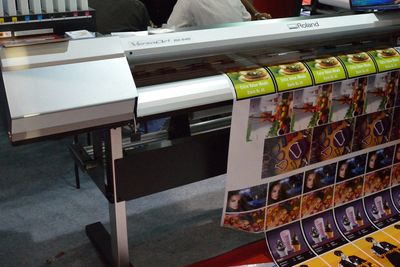
Learned the machines, then trained new hires on them
Learned the machines on live orders, trained new hires on six of them, and ran the crew meeting.
Endpoints
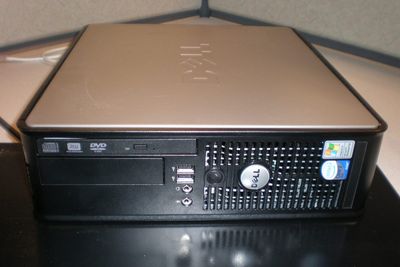
Two failing shop PCs diagnosed while work kept moving
A hanging RIP station and a crashing shipping PC, diagnosed one change at a time.