Fixed catalog images and automated Kubernetes deploys
I matched missing catalog images to the shop's artwork, corrected product data and automated deploys from GitHub. Database scripts copy affected tables before changing them. The junior developer worked on the front end.
Results
The problem
Hundreds of products showed no image, others had cut-off or blank photos, and many descriptions were thin. The artwork existed in the shop's file storage, but nothing linked a product to its file. Any fix also had to go through a manual deploy to a production Kubernetes cluster.
What I did
- Matched missing product images to artwork by ID or SKU in the filename, then supplied mappings for the remaining products.
- Image checks for blank, cut-off or oversized crops, and re-extraction of the flagged product photos from PDFs.
- Database changes that copy the affected tables first, then add new products and rewrite descriptions in transactions.
- A GitHub Actions workflow that deploys to Kubernetes after checking secrets and running a dry run, one deploy at a time.
What I took from it
I put the backup step inside each database-change script. If an update needs to be undone, I have the affected tables from immediately before it ran.
Related work
Automation & AI
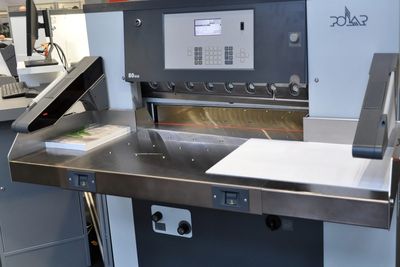
Scan a work order to load the cutter program
Operators scan a code on the work order instead of typing every cut position.
Software & web
Rolled out, extended and retired a badge time clock
Extended a teammate's badge clock-in system with receipts, tamper-evident records and portals, then archived it and tested restoration.
Software & web
Documented an inherited cluster and added deploy checks
Documented an inherited Kubernetes cluster and added staging defaults, deploy checks and production confirmation.